Approvals routed to the desk that can sign
The agent finds files held by officers without the authority to approve them, then escalates each one with the paperwork.
The problem
Why this work is slow today.
Approvals move through a chain of desks, and every desk signs up to a limit. When a file lands on the wrong desk, it sits. Nobody sees the delay until a deadline passes.
In the demo
What you see, step by step.
Ask one question
Are any files sitting with an officer who is not competent to approve them?
Read the approval record
The coordination agent reads nine sources: the delegation of authority policy, request forms, quotations, exception notes, and four live registers.
Find the mismatches
Nine in-progress files sit with officers whose limits are below the request value. Three are already past their deadline.
Route each finding
A decision step picks one of three routes. These files exceed delegated authority, so an escalation package goes to the authority that can sign.
The result
What changes for your team.
The work that used to need a manual audit of every open file now starts from one question. Each file reaches the right desk with its paperwork, and no one hands anything over by hand.
Who it fits
Finance and procurement
Teams with tiered approval limits and many open requests.
Public bodies
Organizations with formal delegation of authority.
Operations leaders
Managers who need to see where approvals stall.
Transcript
The narration, in full.
Approvals move through a chain of desks. Every desk signs up to a limit, and anything above it cannot be approved there. This is the cross-department approval workflow. The path it takes depends on what the agent finds. It starts with one question: are any files sitting with an officer who is not competent to approve them? Yes, there are.
How many? 2. The coordination agent reads the approval record. 9 sources: the delegation of authority policy, request forms, quotations, exception notes, and 4 live registers. 9 in-progress files are sitting with officers whose limits are below the request value. A 2.9 million rupee vendor approval, held by a director who can sign up to 1.5.
A 25 million rupee capital expenditure, A full tier above the officer holding it. 3 are already past their deadline, one of them by 4 working days. Every finding is handed to a routing decision. 3 routes: a clean approval package, a missing information report, or escalation to higher authority. Each route has its own conditions and its own document.
These are above delegated authority, so the workflow takes the third. The escalation package is written to a PDF and submitted to the authority that can actually sign it. One question, 9 files routed to the right desk without a single manual handover.
This demo is produced by ICS Nett and shows FinBlade AI running on sample data. Company names, people, and figures are illustrative. Your deployment runs on your own data, inside your own boundary.
Keep watching
Related demos.
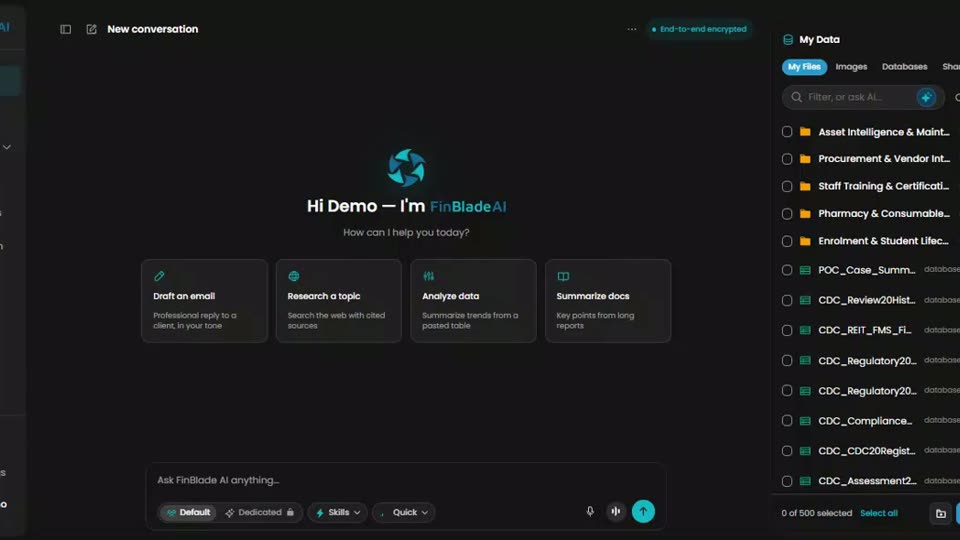 1:38
Platform tourThe whole platform in 98 secondsOne secure workspace to chat with your data, automate your work, and launch AI apps. This is the fastest way to see how the parts fit.
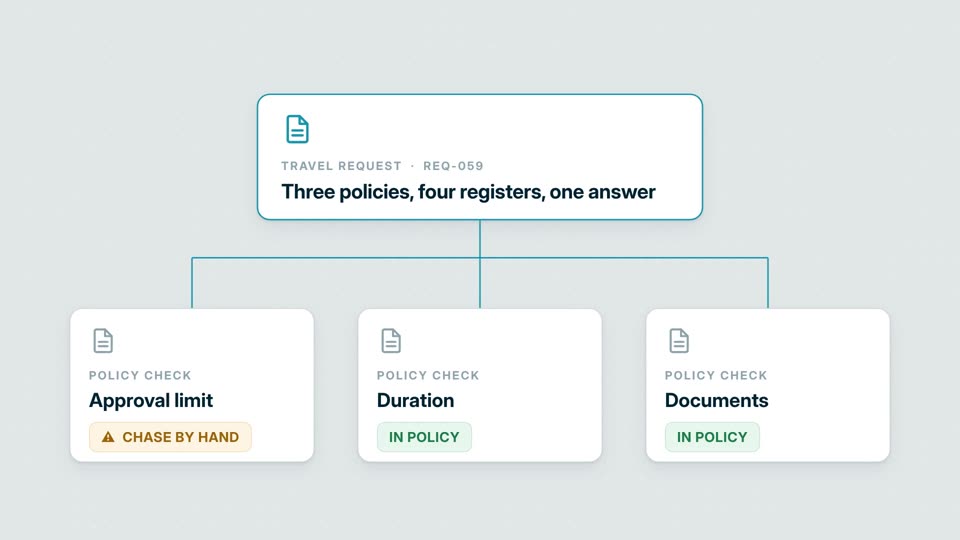 1:27
OperationsThree policies, four registers, one answerCan this request be approved? The workflow checks policy and authority, finds the missing document, and routes the exception.
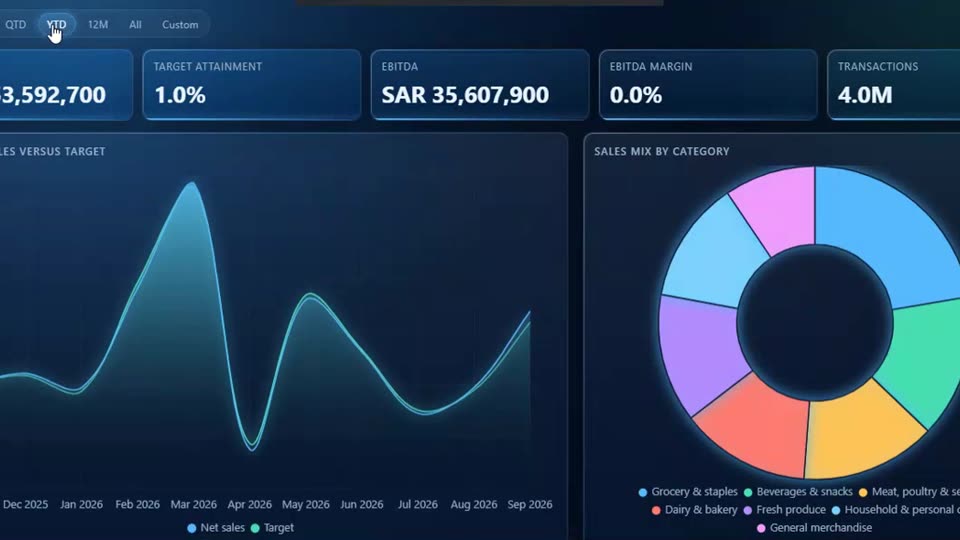 2:23
AnalyticsA full dashboard from one promptDescribe the view you need. The platform builds charts and a live dashboard from your own data.
Your AI. Your data. Your control.
Want this on your own data?
Start with a free call with Thomas. We map the work, the data rules, and the right deployment path.
Free. Direct. No pitch deck. Rooted in Middle Tennessee, serving organizations nationwide.